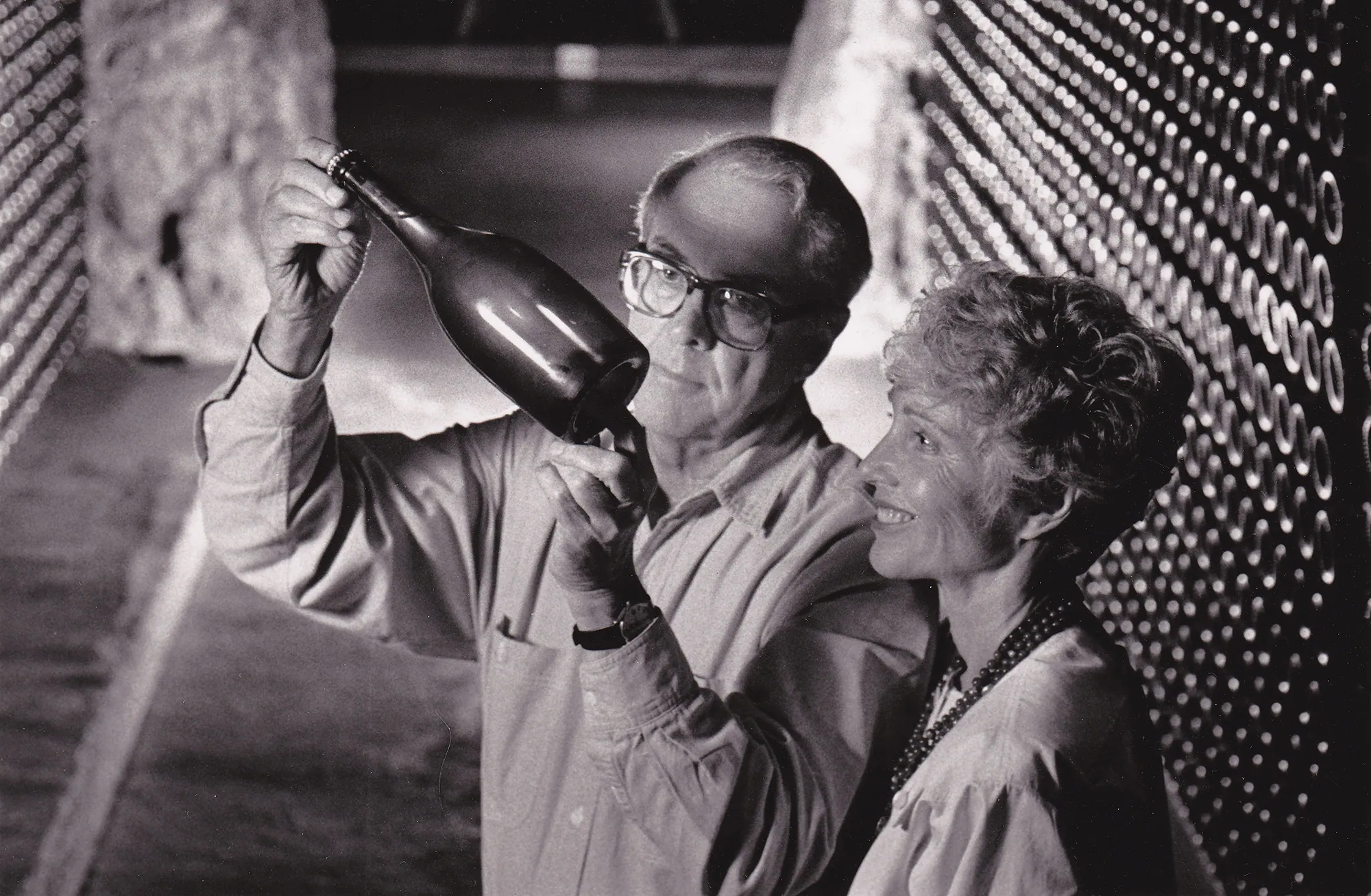
Schramsberg's history dates back to the 19th century, when German immigrant Jacob Schram first made his home and started his winery on Diamond Mountain.
Schramsberg's founders, Jack and Jamie Davies, were determined to seek out a simpler, more meaningful life. In 1965, after a yearlong search, they discovered a run-down winery on the mountainside above St. Helena. The 19th century Victorian mansion presided over the tangled remains of once stately gardens and underground cellars. The historic Schramsberg property had been abandoned for years, but the Davies were looking for a challenge. On that day they decided Schramsberg would be brought back to life.
The Davies had an ambition to make wine, but not just any wine. They were setting out to produce a world-class sparkling wine, and it was a lofty goal. Later that year, the 1965 Blanc de Blancs came to be, the first commercial use of Chardonnay in American sparkling wine.
Schramsberg has also played a role in world history. The Blanc de Blancs was used for President Nixon's 1972 “Toast to Peace” with China's Premier Zhou Enlai. Schramsberg's sparkling wines have been served at official State functions by every U.S. Presidential administration since.
“America's most prestigious, select and admired sparkling wine; chosen for special guests, special gifts, pampering one's self and expressing one's taste in unique products.”Jack & Jamie Davies' goal, 1965
- 1862
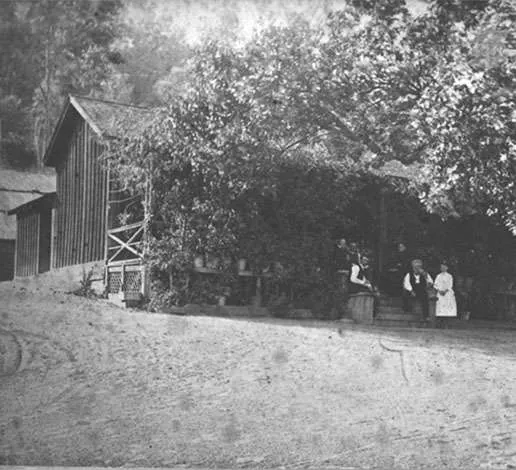
Jacob Schram purchases the 200+ acre Mt. Diamond property from the government and begins development of Napa hillside vineyards. His son, Herman Adolph Schram, is born.
- 1870
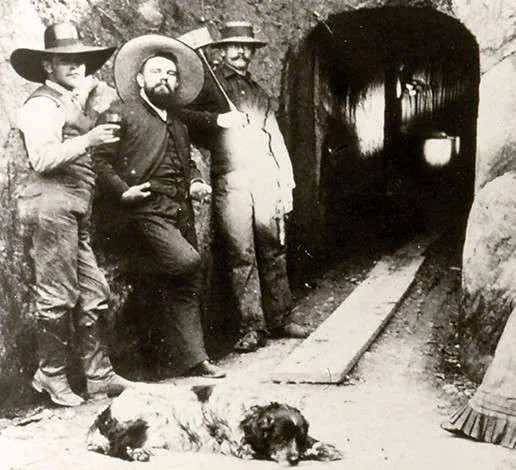
Schramsberg has 30,000 vines. Chinese laborers dig Napa's first hillside caves for wine-aging and storage.
- 1880
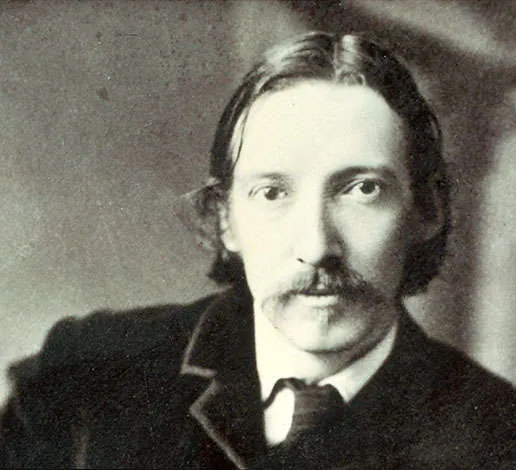
Author Robert Louis Stevenson visits Schramsberg. Descriptions of his stay are recorded in his book, Silverado Squatters. Schramsberg produces 8,403 cases of wine from 50 acres of vines.
- 1881
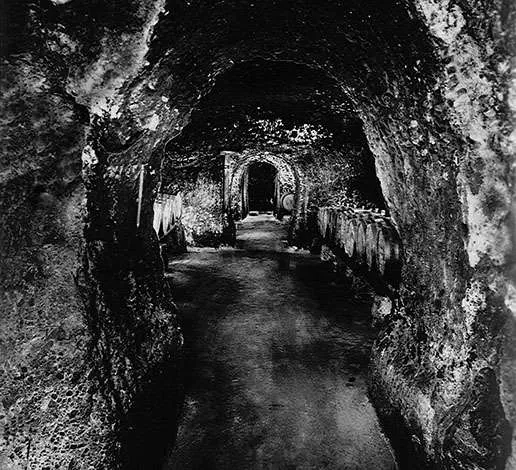
Construction for a second set of cellar tunnels begins. In the past 17 years, Schramsberg winery has pressed 87,237 cases of wine.
- 1889
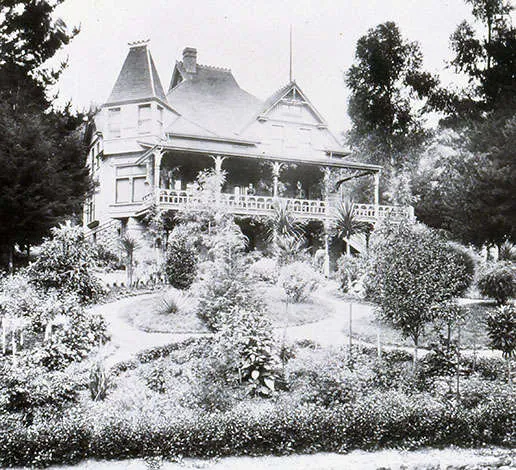
The Schram Victorian mansion with stately veranda is completed on the vineyard site.
- 1890
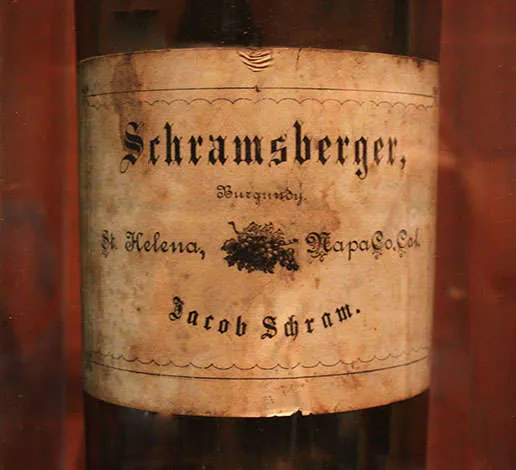
Schramsberg produces 540,000 lbs of grapes (approx. 28,361 cases of wine) from 100 acres of vines.
- 1891
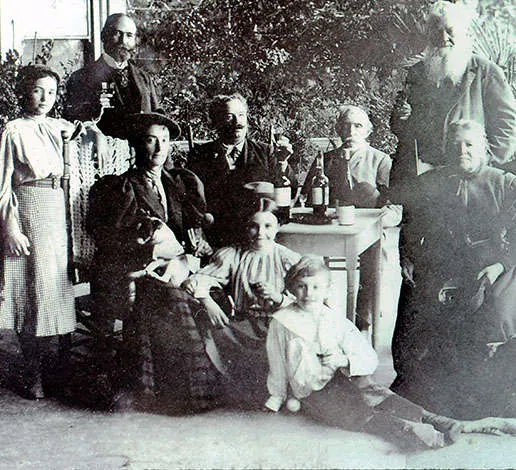
Wines produced at Schramsberg are listed as Zinfandel, Sauvignon Vert, Burgundy, Hock, Sauterne and Riesling style. Schramsberg Riesling is served to President Harrison at The Palace Hotel in San Francisco.
- 1905
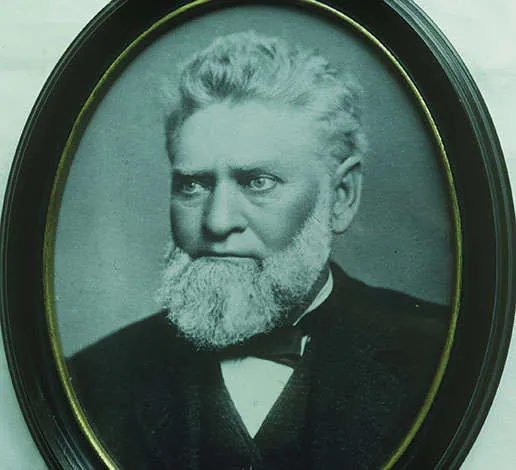
Jacob Schram dies. The property is inherited by his son, Herman.
- 1912
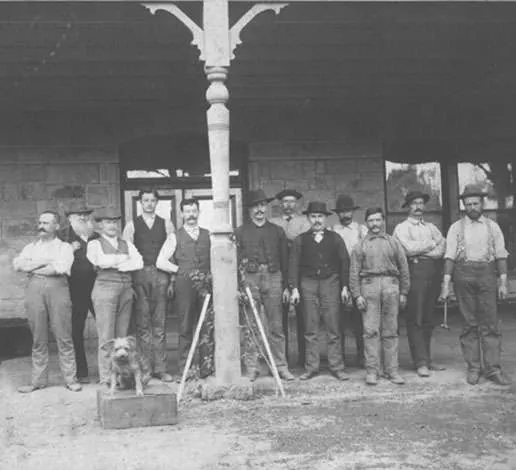
The winery ceases operation and is sold.